
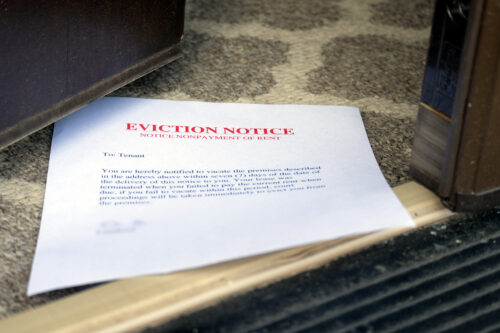
Facing eviction can be one of the most stressful experiences for a tenant, especially when financial difficulties lead them to consider bankruptcy. In New Jersey, the combination of landlord-tenant law and federal bankruptcy protection creates complex legal questions. When a debtor files for bankruptcy, the automatic stay goes into effect. This stay stops most collection efforts against the debtor, but does it stop an ongoing eviction or prevent one from starting? When filing for bankruptcy, it is crucial that you understand the protections offered to you, including whether the automatic stay can stop eviction proceedings. Continue reading for more information and work with a knowledgeable Bergen County bankruptcy lawyer during your case.
What is an Automatic Stay?
The moment you file a bankruptcy petition under any chapter of the U.S. Bankruptcy Code, the automatic stay goes into effect. The automatic stay is a legal order designed to provide the debtor with immediate relief from creditors by halting nearly all collection actions. It temporarily stops most efforts, including:
- Phone calls
- Letters
- Lawsuits
- Wage garnishments
- Repossessions
- Foreclosure proceedings
By stopping these actions, the automatic stay provides the debtor with necessary breathing room and allows the bankruptcy court to manage the debtor’s assets in an orderly manner. However, the stay is not permanent and does not cover every situation. Certain legal actions may be exempt from its protection, and creditors can object.
Does the Automatic Stay Stop Eviction Proceedings in NJ?
If you’re being evicted from your home, understanding whether the automatic stay will stop the process is crucial. In New Jersey, the answer depends significantly on the timing of the bankruptcy filing compared to the landlord’s actions.
The automatic stay can stop or temporarily delay an eviction if you file for bankruptcy before your landlord obtains a judgment for possession from the court. If you file while the eviction lawsuit is pending before the judgment is entered, the stay immediately halts the court proceedings.
In this scenario, your landlord must petition the bankruptcy court for relief from the stay before they can continue the eviction case in court. This pause gives you important time, especially if you are filing Chapter 13 bankruptcy, which could allow you to cure the rent default through a repayment plan. “Curing” means paying all past-due amounts, late fees, and other costs to bring a loan or contract back into good standing.
If your landlord has a judgment for possession, the stay is generally lifted, but limited temporary protection may apply in very specific cases if strict federal requirements are met. However, you must certify with the bankruptcy court that you can cure the entire monetary default within 30 days and deposit the rent due for that current month with the bankruptcy clerk. If you meet these requirements, the stay could remain in effect temporarily, stopping the eviction.
Bankruptcy can be complex, and the power of the automatic stay depends on the specific circumstances of your situation. Reach out to an experienced attorney for more information and legal advice today.